
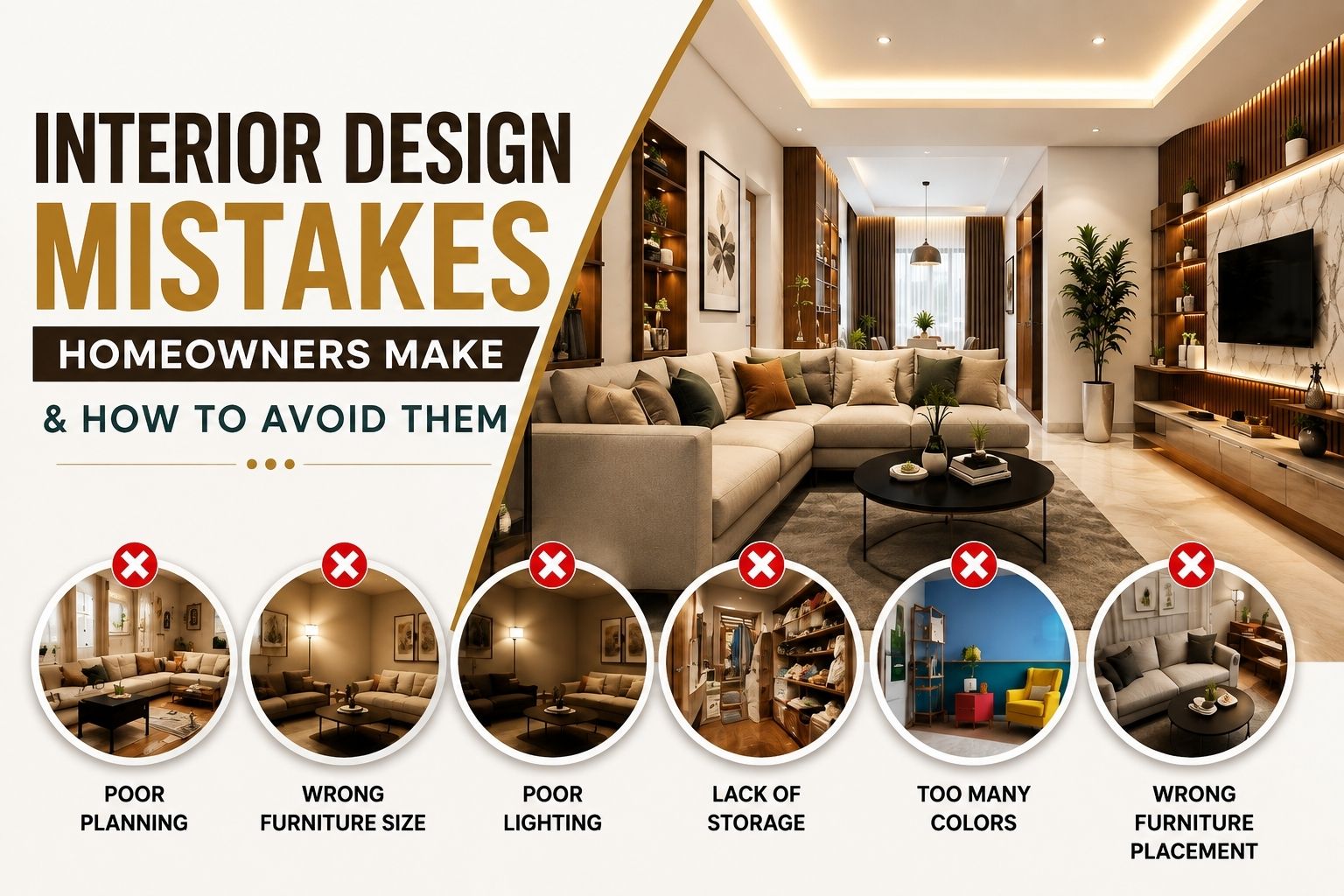

Designing a beautiful home is an exciting experience, but choosing the right furniture, colours, layouts and storage solutions can sometimes be challenging. Many homeowners make small interior design mistakes that can affect the comfort, functionality and overall appearance of their space. With proper planning and professional guidance, these mistakes can be avoided easily.
At Sree Sendhur Decors, we focus on creating practical, stylish and functional home interiors that match each family's lifestyle. Whether you are planning a modular kitchen, bedroom wardrobe, TV unit or complete home interior, thoughtful planning is the key to achieving a well-designed space.
1. Starting Without a Clear Interior Design Plan
One of the most common interior design mistakes is starting the project without a proper plan. Buying furniture or selecting colours before deciding the complete layout can result in mismatched elements and wasted space.
Before beginning your home interior design project, decide the purpose of every room. Consider furniture placement, storage requirements, lighting, colour combinations and movement space.
How to avoid it:
- Prepare a basic room layout before purchasing furniture.
- Decide your preferred interior style.
- Set a realistic budget.
- Plan storage and electrical points in advance.
- Discuss your requirements with an experienced interior designer.
A clear plan helps create a balanced and comfortable home.
2. Choosing Furniture That Is Too Large or Too Small
Furniture size plays an important role in modern home interiors. Oversized furniture can make a room feel cramped, while very small furniture may make the space look incomplete.
Always measure the room before selecting wardrobes, sofas, beds, TV units and other furniture. Maintain enough walking space between different elements.
For bedrooms, choose wardrobe and bed sizes according to the available floor area. In living rooms, ensure that the TV unit and seating arrangement are proportionate to the room.
3. Ignoring Storage Requirements
A stylish home can quickly become cluttered when there is not enough storage. Many homeowners concentrate only on appearance and forget about everyday storage needs.
Modern interior design should combine aesthetics with functionality. Modular kitchens can include organised cabinets, drawers and dedicated storage areas. Bedrooms can benefit from customised wardrobes, loft storage and dressing units.
Well-planned home interior design ideas should provide enough storage without making the room look crowded.
4. Using Too Many Colours
Another common mistake is using too many colours throughout the home. Different colours may look attractive individually, but combining too many shades can create a visually confusing interior.
Choose a simple colour palette with one primary colour and complementary shades. Neutral tones can be combined with wooden textures, warm lighting and selected accent colours to create an elegant look.
For modern home interiors, consistency between walls, furniture, curtains and decorative elements helps create a more sophisticated appearance.
5. Poor Lighting Planning
Lighting is often treated as an afterthought, but it can completely change the appearance of an interior. A room with insufficient lighting may look dull, while excessive lighting can make the space uncomfortable.
Use a combination of ambient, task and accent lighting wherever appropriate. Modular kitchens need focused lighting for work areas, while bedrooms can benefit from soft and warm lighting.
False ceilings with concealed lighting can also add depth and elegance to selected spaces.
6. Choosing Style Over Functionality
Beautiful interiors should also be comfortable and practical. Choosing furniture only because it looks attractive can create problems in everyday use.
For example, a wardrobe should provide enough storage and easy access. A TV unit should offer cable management and suitable storage. A modular kitchen should provide convenient work zones and easy access to frequently used items.
The best interior design balances style, comfort and functionality.
7. Not Planning Electrical Points Early
Electrical planning should be completed before the final interior installation. Changing electrical points after furniture installation can be difficult and expensive.
Plan locations for:
- TV and entertainment systems
- Kitchen appliances
- Bedside charging points
- Decorative lighting
- Ceiling lights
- Wardrobe lighting
- Workspaces and study areas
Proper electrical planning makes the finished interior cleaner and more convenient.
8. Choosing Low-Quality Materials
Material quality directly affects the durability of your home interiors. Selecting materials only based on the lowest price may result in frequent repairs or replacement.
Choose materials according to the room, usage and maintenance requirements. For areas exposed to moisture, select suitable moisture-resistant solutions. For wardrobes and kitchen cabinets, focus on durable boards, reliable hardware and quality finishes.
Professional guidance can help homeowners select materials that offer a good balance between quality, appearance and budget.
9. Forgetting About Future Needs
A good interior design should not only work for today but also accommodate future requirements. Families may need additional storage, a study area, children's furniture or new appliances later.
When planning your interiors, leave flexibility for future changes. Modular and customised furniture solutions can make it easier to adapt the space as your needs change.
10. Trying to Do Everything Without Professional Guidance
DIY ideas can be useful for small decorative changes, but complete home interior projects involve planning, measurements, materials, electrical requirements, storage and installation.
Working with a professional interior design team can help avoid costly mistakes and ensure that every part of the project works together.
At Sree Sendhur Decors, we create customised interior solutions based on your space, lifestyle and requirements. From modular kitchens and wardrobes to TV units and complete home interiors, our focus is on practical designs with a premium finish.
How to Create a Better Home Interior
To avoid common interior design mistakes, start with a proper plan and understand your space before making major decisions. Focus on functionality, storage, lighting, material quality and long-term usability.
A successful interior is not simply about making a home look beautiful. It should make everyday life easier, more organised and comfortable.
Why Choose Sree Sendhur Decors?
Sree Sendhur Decors provides customised home interior solutions designed around individual requirements. Our approach combines modern aesthetics with practical functionality.
We can help with:
- Modular kitchen designs
- Bedroom interiors
- Custom wardrobes
- TV unit designs
- Living room interiors
- Pooja unit designs
- Home storage solutions
- Complete home interior projects
Our goal is to create interiors that are stylish, functional and suitable for everyday living.
Frequently Asked Questions
What are the most common interior design mistakes?
Common mistakes include poor space planning, oversized furniture, insufficient storage, improper lighting, too many colours and choosing appearance over functionality.
How can I avoid interior design mistakes?
Start with a detailed plan, measure your rooms carefully, define your storage needs and select furniture and materials based on functionality as well as appearance.
How important is storage in home interior design?
Storage is extremely important because it keeps the home organised and reduces clutter. Custom wardrobes, modular kitchen cabinets and built-in storage can maximise available space.
Is professional interior design worth it?
Professional interior design can help with space planning, material selection, furniture proportions, lighting and installation, reducing costly mistakes and improving the overall result.
How do I plan a modern home interior?
Begin with your lifestyle and space requirements. Select a consistent colour palette, practical furniture, smart storage, suitable lighting and durable materials to create a modern and functional home.